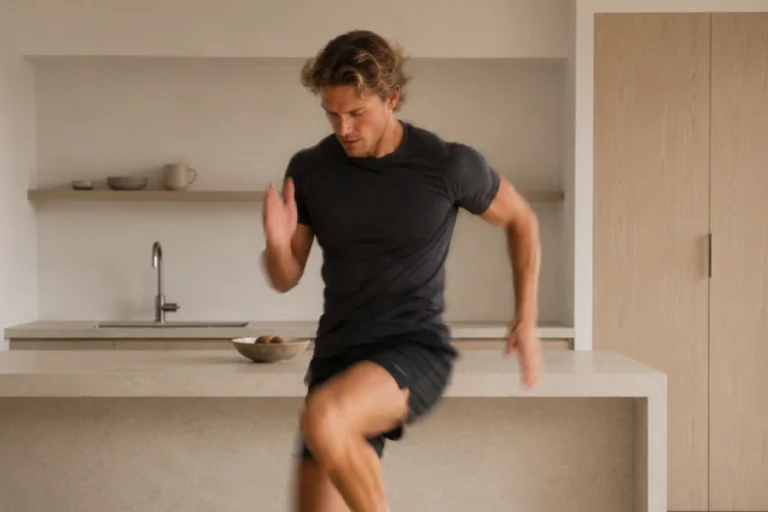
When cardio depends entirely on outdoor weather or a crowded gym, consistency becomes fragile. A rainy afternoon, an early sunset, or a changed schedule can easily break the pattern. Indoor cardio workouts create another option that stays available. They allow you to move without waiting for ideal conditions. That can make exercise feel more dependable during busy or unpredictable seasons. You do not need expensive equipment to get started. A small open space, comfortable shoes, and a clear plan can be enough. The purpose is to create steady effort that works within your home. Once you have a few reliable choices, skipped sessions become less inevitable. You can protect your momentum without making your routine overly complicated.
Why Indoor Cardio Workouts Belong in Every Flexible Routine
Having an indoor option removes a major excuse from your training plan. You no longer need clear sidewalks, daylight, or travel time before you can begin. That convenience matters more than most people expect. It creates a backup plan for the days that do not unfold as intended. Indoor movement can also feel more private and approachable for beginners. You can learn the rhythm of an exercise without worrying about pace or comparison. Marching, step-ups, shadowboxing, low-impact dance, and bodyweight circuits can all raise your heart rate. The best choice is one you can perform safely and comfortably in your space. Variety keeps the practice engaging. Consistency gives that variety a real purpose.
Choose a Starting Point You Can Repeat
Start with a level of effort that feels manageable. You should be able to complete the session without feeling discouraged by the end. A ten-minute walk around your home, light step-ups, or a low-impact circuit can be enough. Focus on finding a pace that lets you move with control. Beginners often benefit from shorter work periods and more frequent rest. More experienced exercisers can add quicker intervals when their form stays solid. The most important thing is to know what your body can handle today. Avoid copying a demanding routine simply because it looks impressive. A realistic start gives you useful information. It also creates a positive experience that makes tomorrow’s session easier to begin.
Make Indoor Cardio Workouts Feel Engaging, Not Random
Indoor sessions are more enjoyable when they have a clear shape. Begin with a few minutes of easy movement to warm up. Then choose a main pattern that matches your goal and energy. You might alternate between step-ups and marching, or cycle through light punches and squats. Keep intervals simple enough that you can remember them. Music can provide a helpful rhythm, but it should not push you beyond comfortable control. Change the format occasionally to avoid boredom. One day may focus on steady walking, while another includes short intervals. A routine does not need constant novelty to stay interesting. It needs enough variety to hold your attention and enough structure to make you feel capable.
Build Around Space, Sound, and Energy
Your environment affects how likely you are to exercise at home. Choose a spot where you can move without constantly rearranging furniture. Consider the impact on neighbors, family members, and shared spaces. Low-impact options can be just as effective when jumping is not practical. Use a chair for support when balance feels uncertain. Keep water nearby, especially when the room is warm. Let the available space guide your movement choices instead of treating it as a limitation. You can make a productive session from a few square feet. On noisy or hectic days, choose quieter movements and a calmer pace. The routine should fit your home well enough that it feels easy to return to it.
Keep Indoor Cardio Workouts Appropriate for Your Current Base
Cardio should challenge you without leaving you unsteady or overwhelmed. Use breath, balance, and perceived effort as useful feedback. You may be working hard, but you should still feel in control of the movement. Pause when you need water or a longer recovery. Sharp pain, dizziness, chest discomfort, or symptoms that feel concerning deserve immediate attention and professional guidance. Progress does not require ignoring those signals. Increase time, speed, or complexity gradually. The Indoor Cardio Handbook can help you shape those decisions into a repeatable routine that works entirely at home. It offers a practical structure for your starting point, busy-day version, and next stage. Thoughtful progress makes cardio more sustainable than occasional all-out effort.
Use Indoor Cardio Workouts to Protect Your Weekly Rhythm
Indoor cardio can do more than fill in for canceled outdoor plans. It can become a regular part of your weekly training rhythm. Use easier sessions between strength workouts to keep your body moving. Schedule a short cardio reset after long days of sitting. Choose a livelier session when you want an energy boost without leaving home. These options help you avoid the all-or-nothing thinking that disrupts many routines. You are not limited to either a perfect workout or no workout at all. A flexible plan gives you several ways to participate. Over time, that adaptability becomes one of your strongest fitness tools. It keeps movement close at hand, whatever the forecast or schedule looks like.