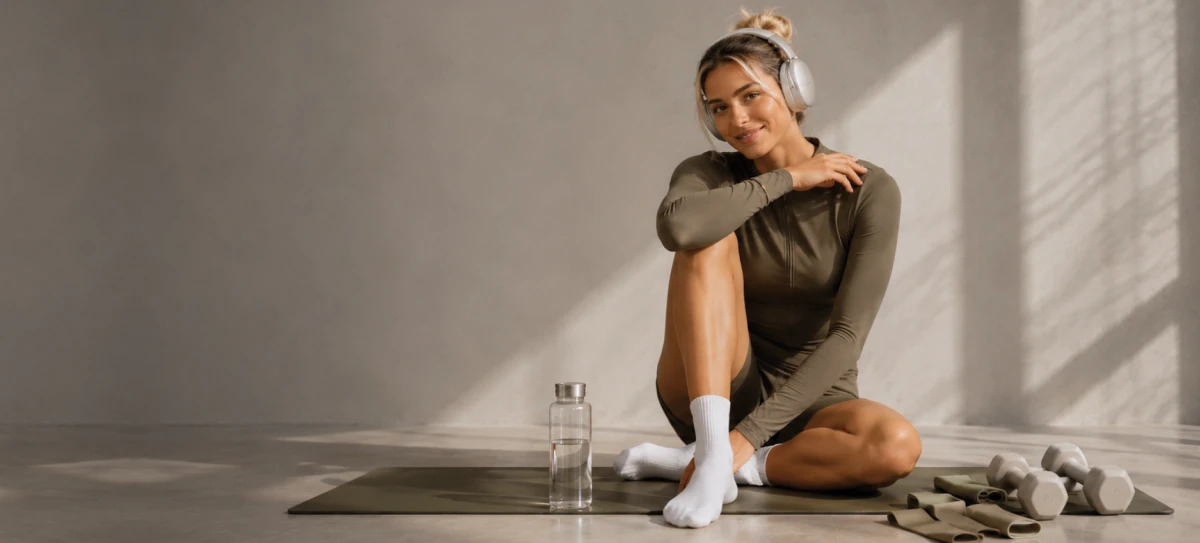
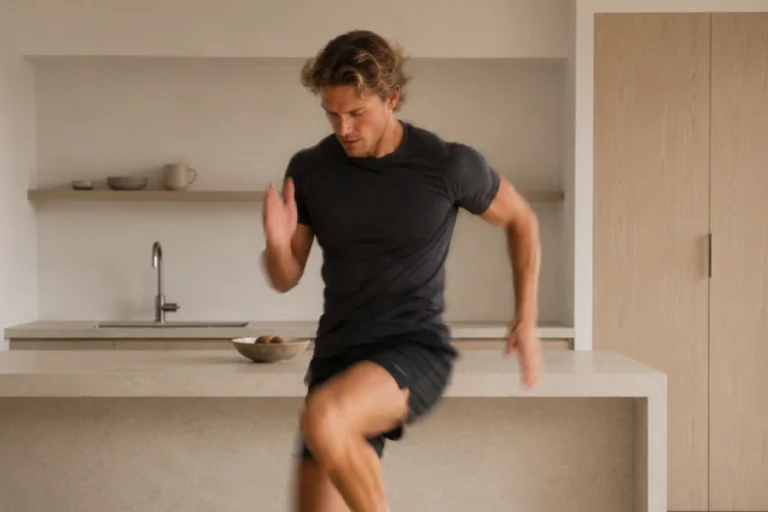
A home mobility routine becomes easier to keep when it stops feeling like another difficult task. Many people begin with good intentions, then lose momentum when the plan feels too long or unclear. The answer is rarely a more demanding session. It is usually a smaller, more useful starting point. Your practice should fit the space, time, and energy you actually have. It should also leave room for imperfect days. Gentle consistency can build more confidence than occasional intensity. Small adjustments often make movement feel more accessible. That accessibility changes how often you return. Over time, a simple practice can become one of the calmest parts of your day.
Why a Home Mobility Routine Needs a Smaller Starting Point
Beginning with less can feel surprisingly productive. A short sequence reduces the pressure to perform every movement perfectly. It gives you time to notice your breathing, balance, and range of motion. You can learn what feels comfortable before adding more complexity. This approach also makes it easier to practice on busy days. Instead of skipping the session, you can choose a lighter version. That decision protects the habit without ignoring your energy. Start with movements that feel familiar and easy to set up. Keep the first session short enough that you could repeat it tomorrow. A calm beginning creates the stability that larger goals often need.
Build a Clear Context Before You Add More Movements
Mobility works better when you understand what your body needs from the session. Notice whether you have been sitting for several hours or moving all day. Think about the activities that may have changed how your hips, shoulders, or back feel. This context helps you avoid treating every day in exactly the same way. It also makes your choices more personal. One day may call for a gentle floor sequence. Another may feel better with standing movements that wake up your balance. Keep the environment simple and supportive. Clear enough space to move matters more than expensive equipment. A stable chair, mat, or folded towel can be enough. Good preparation makes the first movement easier to begin.
Give a Home Mobility Routine a Reliable Sequence
A repeatable order removes unnecessary decision-making. Begin with a few slow movements that help you settle into your body. Then choose two or three positions that support the areas you want to explore. Move with control instead of rushing to reach a deeper position. Let your breath stay steady as you change shapes. Small pauses can help you notice whether the movement feels useful. Avoid adding five new exercises every week. Familiar patterns make progress easier to recognize. They also help you adjust without losing the purpose of the session. A thoughtful resource like The Mobility Masterclass can help turn scattered ideas into a clearer home practice. Structure does not make mobility rigid when it leaves room for your body to respond.
Pay Attention to Patterns Rather Than Perfect Days
Mobility can feel different from one morning to the next. Sleep, stress, work posture, training, and travel may all affect your experience. One stiff session does not mean you are doing something wrong. Likewise, one easy session does not require you to increase everything immediately. Look for patterns over a week rather than judging a single day. A few notes can make that process easier. Record when you practiced, what felt helpful, and where you needed to slow down. Keep the notes brief so they remain useful. This kind of reflection creates better decisions than guessing. It also helps you build patience with your own progress.
Make Your Home Mobility Routine Easy to Adjust
The best routine has more than one version. A longer session may work well on a calm weekend morning. A five-minute reset may be more realistic between meetings. Both versions can support the same larger intention. The important part is knowing how to simplify without abandoning the practice. Choose one movement that helps you begin when motivation is low. Keep another option ready for days when your energy feels stronger. This flexibility makes consistency feel less fragile. It also protects you from the all-or-nothing thinking that often interrupts healthy routines. The Mobility Masterclass offers a practical framework for identifying those busy-day adjustments while keeping the core pattern visible. A plan that adapts to real life is usually the one you keep using.
Use Simple Prompts to Make Better Choices
Helpful questions can make a mobility session feel more intentional. Ask what feels tight, tired, or underused before you decide what to do. Consider what kind of movement would make the next hour feel easier. Then choose the smallest useful action instead of searching for a perfect answer. You can also use a short planning prompt to organize your ideas after the session. The goal is not to let technology make decisions for you. It is to use clear inputs that support your own awareness. A few thoughtful prompts can help you notice patterns you may otherwise miss. They can also make it easier to build a practice around your real schedule. Planning becomes more useful when it stays connected to your experience.
Keep a Home Mobility Routine Personal Over Time
Your practice should change as your life changes. The movements that help after a long workday may differ from those that feel useful after strength training. You may also discover that a shorter sequence creates more consistency than a longer one. These discoveries are signs that the routine is becoming more personal. Return to the same core movements often enough to learn from them. Then make small changes when your needs become clearer. Do not measure success only by how far you can stretch. Notice whether movement feels calmer, smoother, and easier to return to. With The Mobility Masterclass, you can shape a more structured home approach without losing that flexibility. A lasting practice grows from attention, not pressure.